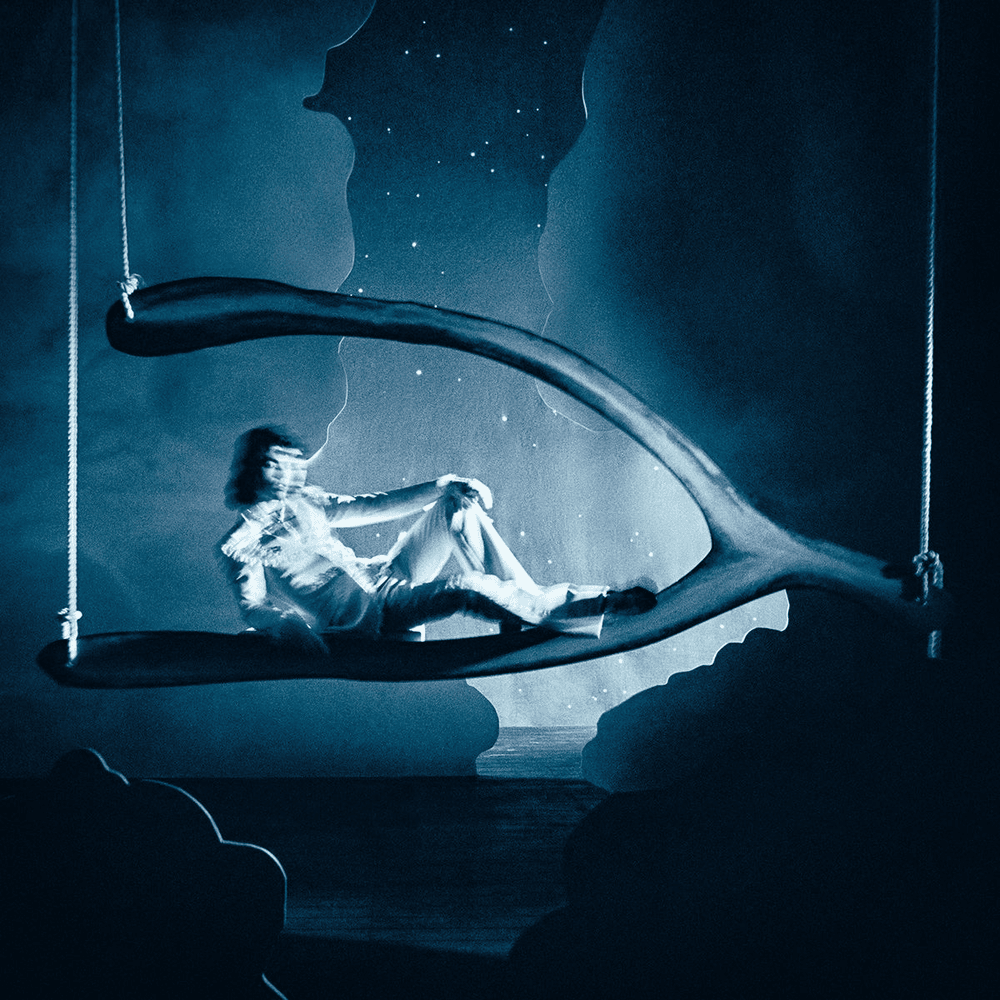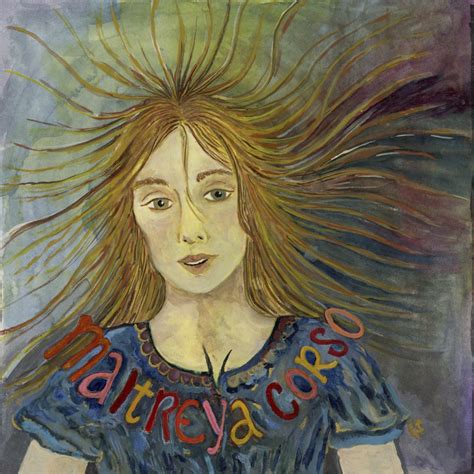
Breaking her three-year hiatus from music, Mitski released her eighth studio album, Nothing’s About to Happen to Me. Mitski is a staple in Gen Z culture, often being the poster girl for angsty teen music. She’s been in many of our lives for a long time, whether passively as heard in passing or actively as a staple in our music rotation. This new album features themes of escapism and, conversely, acceptance, as Mitski grapples with a variety of changes.
Mitski explores escapism in “Where’s My Phone?”, which highlights how she turns to technology as a form of dissociation from the madness of modern life, singing “I want my mind to be a clear glass.” She yearns to be devoid of thought, an empty vessel filled with mindless scrolling and superstitious feelings, but the sweet promises of comfort have become a trap, not letting her leave.
The rock-adjacent “If I Leave” is where Mitski introspects about her loveless relationship with her partner. In this heavily codependent relationship, they know each other inside out, like a second skin, but Mitski is unhappy. She’s never been this close with anyone in her life, and the idea of losing that is what stops her from leaving, even as the love between them withers.
Mitski shifts to a gentle, alternative style in “Instead of Here,” telling of her run-ins with death, whether literally or metaphorically, in a mournful story of someone who has lived with illness for so long that it is comforting. The song has heavy themes of suicide, with the first lyric being “right as I dip my toe into the abyss.” She continuously mentions that she’s “where nobody can reach,” as she falls deeper and deeper into her sorrow. Similarly to “If I Leave,” Mitski doesn’t want to get better because that would mean changing how she has always lived.
“That White Cat” is an intense retelling of the time a male cat marked Mitski’s house. She stresses how everything that she worked for in her life—her money, her house, her life—was taken away from her unceremoniously. The cat could be seen as a metaphor for the finite world. The life that Mitski painstakingly built can be swept out from underneath her at any given moment. Where most songs about death are mournful ballads about the fragility of life, “That White Cat” is angry that, at the end of the day, nothing is permanent.
The second-to-last song, “Charon’s Obol,” references Greek mythology: Charon is the ferryman who brings souls from the land of the living to the land of the dead. The song follows a young woman who moves into a new house, only to find a pack of dogs that visit the house every night. The dogs are said to belong to the “women who died in [the] house,” and she ends up feeding them, serving as their connection back to their owners who passed, “heal[ing] the heart of her house.” The newly moved-in woman, by feeding the dogs and tending to the house the deceased women once lived in, gives the house itself room to heal, which is exactly what it needed.
The album Nothing’s About to Happen to Me is, overall, about change. Mitski’s album ending in acceptance sends a clear message: embrace these changes as they come. High school is a strange time, a weird middle ground between being adult enough to handle driving, a job, taxes, and college applications, but not enough to make some very important decisions. Most of the album’s songs are cautionary tales about how denial and avoidance can negatively impact your life. However, “Charon’s Obol” in particular is a beautiful artistic representation of the good that can come from allowing change to blossom, a message many high school students need during the transitional period of their lives that they are in.