








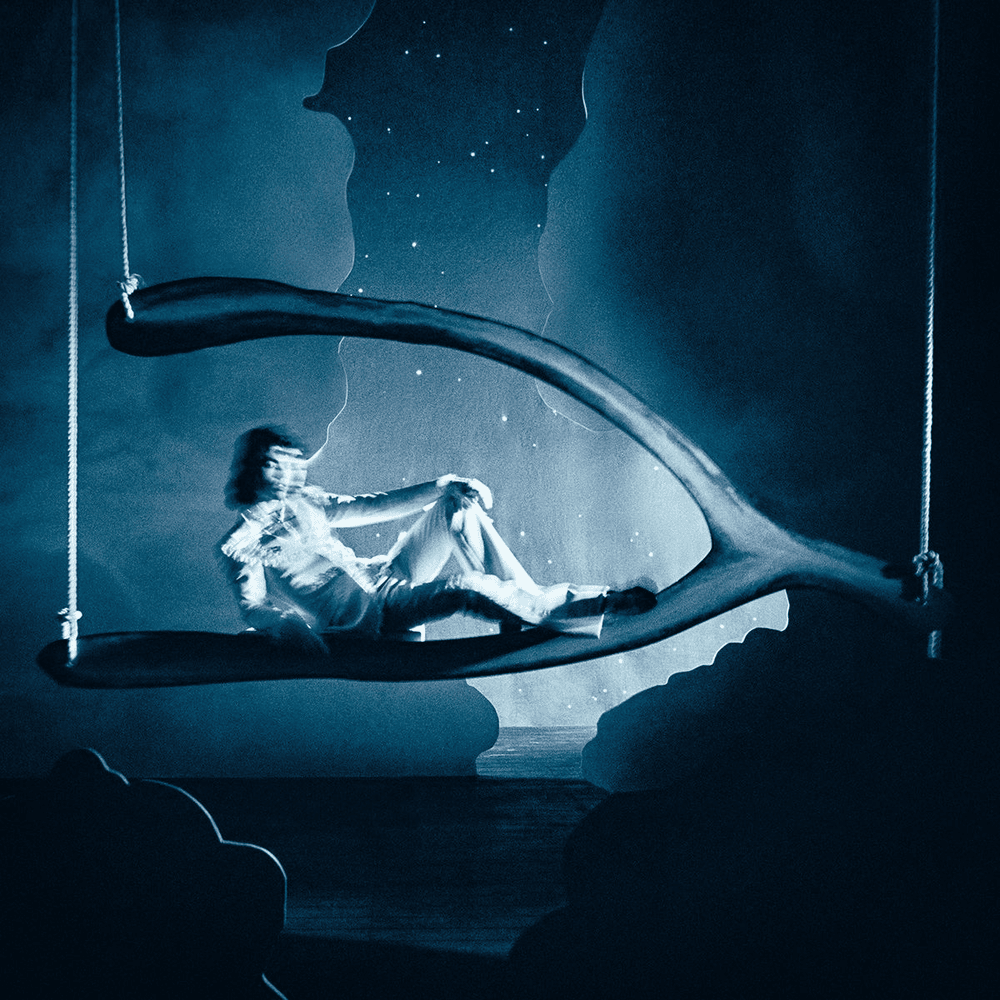


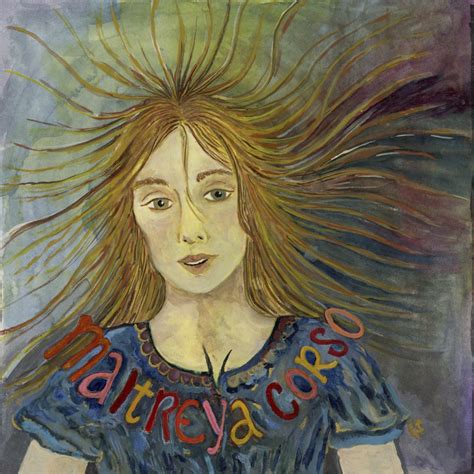
Many know Maya Hawke from Stranger Things, the Netflix television series that has dominated the pop culture space for years, but Hawke has been making music since 2019. Her fourth album, “Maitreya Corso,” dropped on May 1st. Hawke explores her identity as it’s tied to ambition, asking questions about her place in the world throughout the 13 tracks.
The opening track, “Love of my Life,” asks What if I got what I wanted?, What if I was who I wanna be?, and What if I knew how to be? backed by the tracks’ gorgeous guitar line. The three questions become motifs carried throughout the album. Hawke, being the daughter of famous actors and becoming a well-known actor herself, has her relationship with ambition being warped by that success. Hawke’s self-consciousness is depicted in every track on the album, stating she is most comfortable when she can hide, but her own ambition collides with that.
“Lioness” shows Hawke’s attempt to break through the doubt she expresses in the opening track. It is an interesting hybrid of pop and folk through the oscillating synth and the folkish fiddle. Hawke feigns a strong front only to later admit her weakness by the end of the song: I will back down. She expresses her contempt at being trapped in an echo chamber of expectations: Tell me where to stand/Tell me what to say/Tell me who I am/I can do it different. The vocal line ascends and she layers herself over the group vocals with a single voice: I’m not doing it wrong, I’m just doing it differently.
The final track, “Dream House,” is the manifestation of Hawke overcoming those insecurities mentioned in “Lioness” and “Love of My Life.” Each stanza is lyrical and uplifting, backed by the fingerpicked guitar line. Hawke imagines a more comfortable future where her identity is closer to a big sister, mimicking similar themes as her 2024 album, “Chaos Angel,” in which she is enlightened and ready to guide others.
Maitreya Corso is a quintessential Maya Hawke album, featuring her unique folk-pop sound and inspirations from her favorite poets. The album, produced in part by Christian Lee Hutson, Benjamin Lazar Davis, and Jonathan Lo, builds upon her previous work, showing her growth as an artist and a person. It’s an enjoyable listening experience, but not groundbreaking in terms of themes that haven’t been explored.