






Beginning your high school career can be daunting. Maybe it’s getting from class to class in the crowded hallways, or maybe it’s passing a test you stayed up all night for. While using all of your energy just to get through the day, preparing for college and finding what to do after high school can creep up on you fast. Don’t worry, there are ways to make it easier to discover what you might want to do and balance the chaos in the process.
Challenging yourself past what you think your capabilities are and trying classes that pique your interest, help you discover different possibilities for your future.
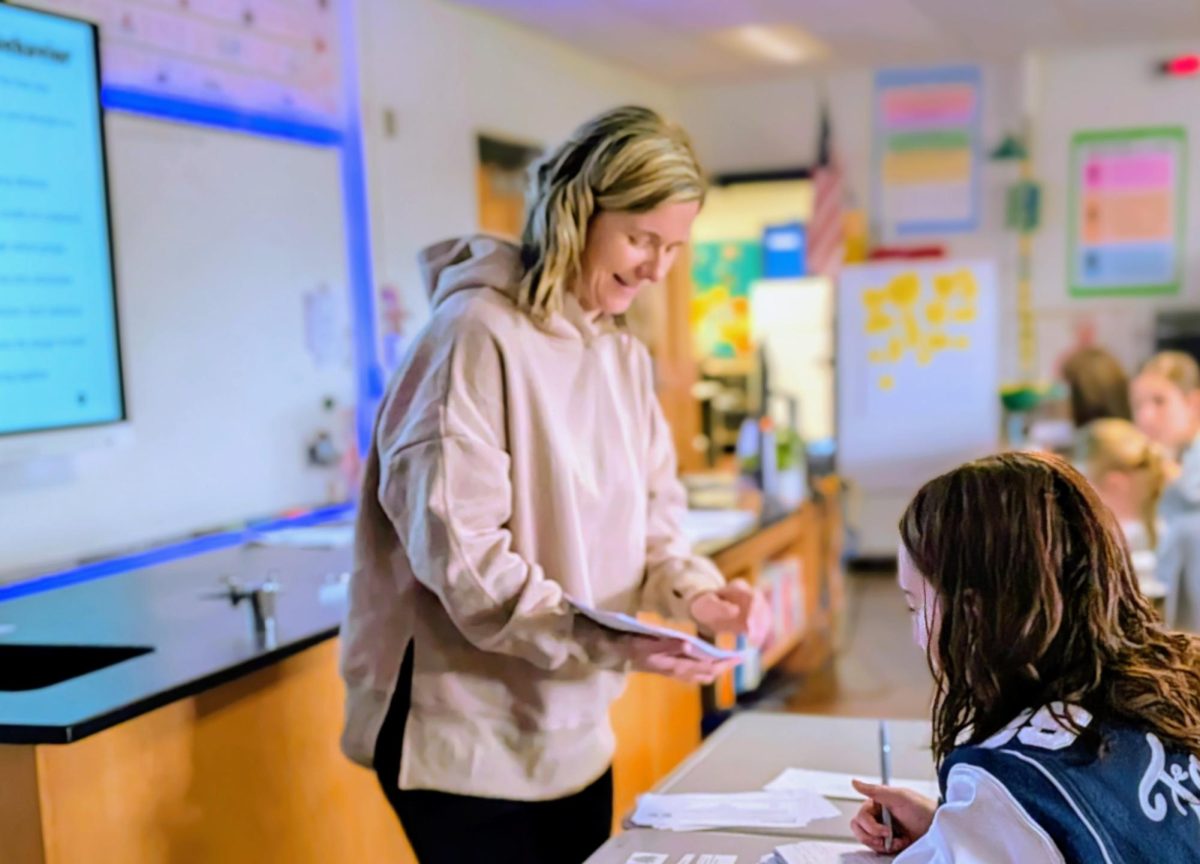
“It’s okay to challenge yourself [with harder classes],” FHS counselor Jaime Gibbons said. “Surprise yourself with everything you can do versus what you think you can do in your head.”
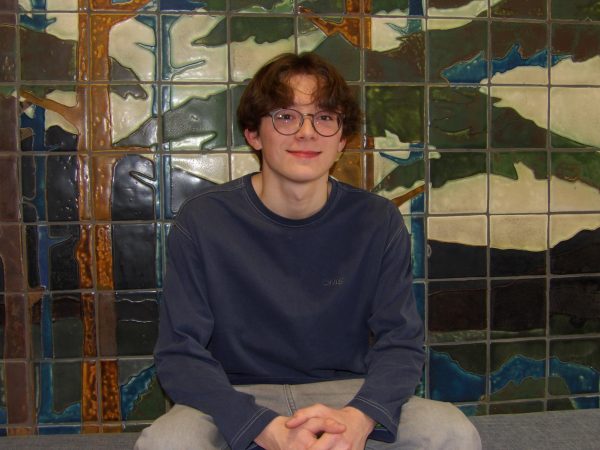
Senior Edwin Arun, who is majoring in engineering next year, took honors physics, AP Physics and various math classes to gain experience in the classes he’ll be taking the next few years. He recommends finding ways to balance it with other aspects of their life.
“You have to make time for it,” senior Edwin Arun said. “You can almost treat it like a nine-to-five.”
Arun explains that setting a time to completely stop studying, such as 5pm is very beneficial, and “if you have more to do after that you can keep going or stop to enjoy the rest of the day.”
Similarly, senior Nick Raad, who is also going to engineering, says he enjoys being challenged in his classes like AP Physics and AP Calculus BC. He adds that having a lot of friends in those classes made it more enjoyable.
“I like to create a set time to study right after school,”Raad said. “Then, after I do all my work I can relax and do things like go to church and hang out with my family.”
Outside of advanced courses that are both challenging and rewarding, there are various elective classes that are specific to certain niches which could spark a passion you don’t know you have.
“CTE (Career and Technical Education) are always pretty popular if students have certain pathways they’re interested in,” Gibbons said. “Gym, dance, and music classes are very popular. We’re very fortunate to offer a variety.”
Gibbons highlights a common track for underclassmen is to start with a few honors classes in subjects such as English and biology, and one AP class like AP World History or AP U.S. History. Students then usually accelerate the course load going into junior and senior year, when more advanced classes are available. Some popular courses include AP Psychology, AP English Language, and even the AP math and science classes.
“I try to encourage students who don’t know what they want to do to try to see what they might like or don’t like,” Gibbons said. “If you don’t like a class, then you move on from it. If you do like a class, then you’re able to explore other options surrounding it. It’s like trial and error.”