


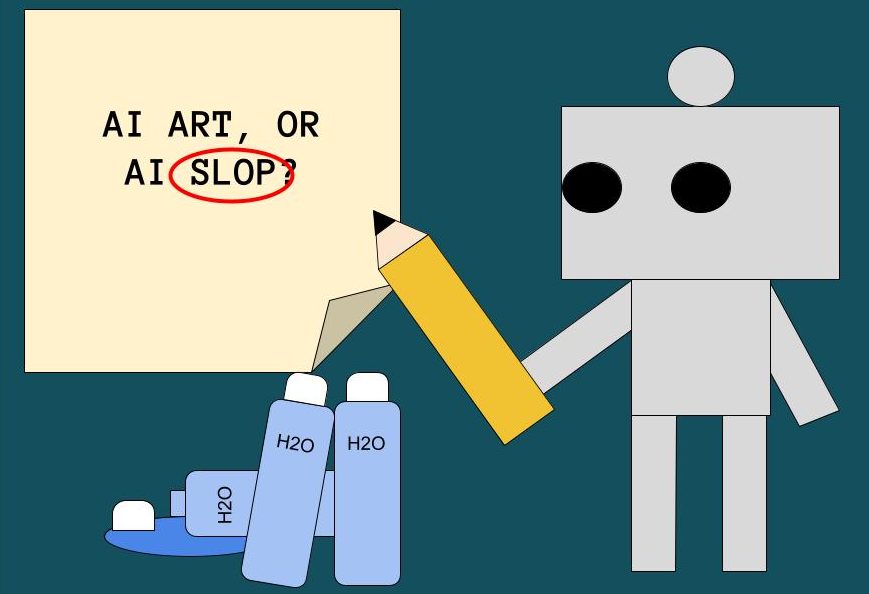
Everyone has heard of artificial intelligence. ChatGPT, Gemini, Deepseek, and other AI platforms have become almost unavoidable in recent years. One of the biggest controversies surrounding AI is whether or not it should be used to make art—and both sides of the argument bring up interesting points.
One of the big arguments for generative AI is that it allows a user to generate an image, video, or song almost instantly with only the effort it takes to write a prompt. Many people think that these quickly-generated AI images can compare to the art humans make.
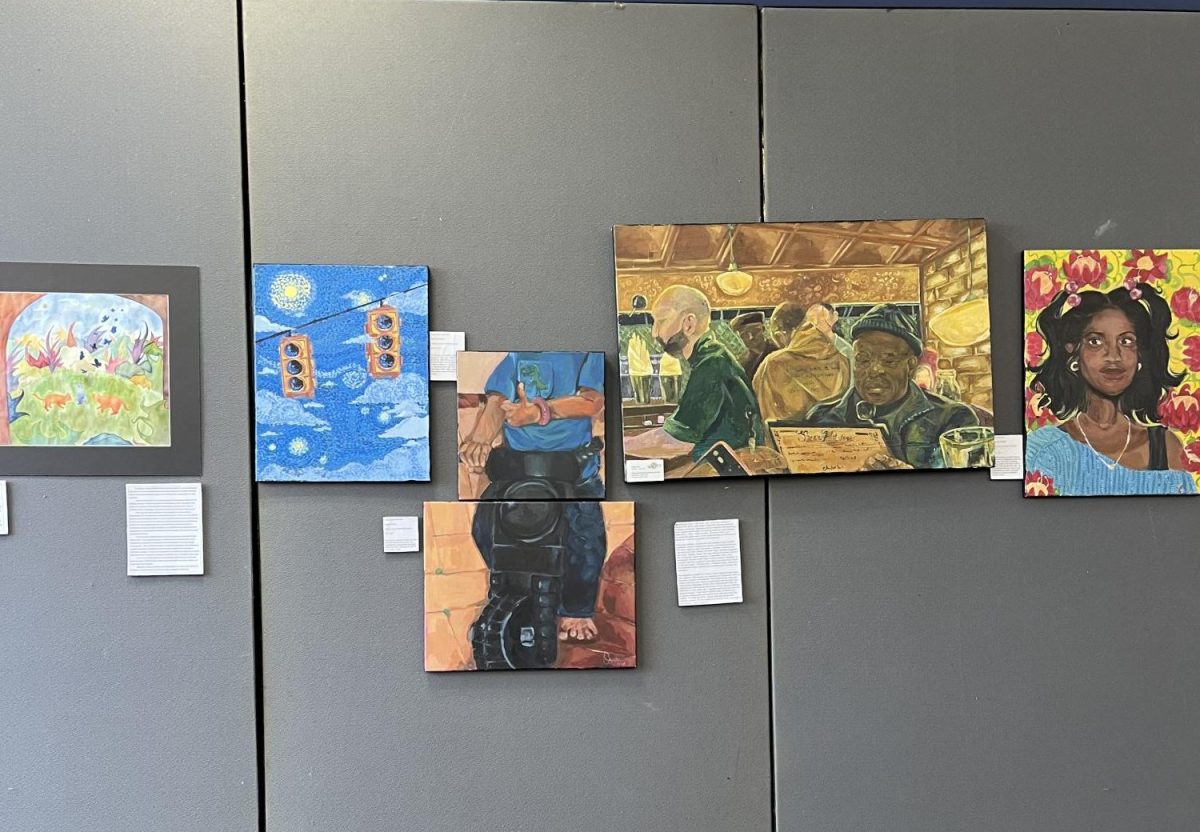
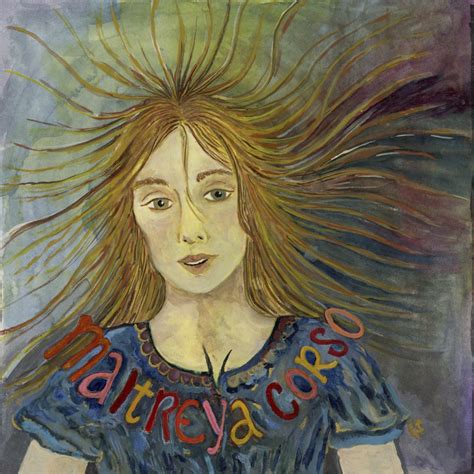
Here’s the thing—art isn’t about the result, but rather the process of creation. From a two-year-old’s crayon scribble to the famous works of Leonardo Da Vinci, art requires passion and feeling behind it—otherwise, it’s just an image. An AI, by definition, has no emotion to inspire its “art.”
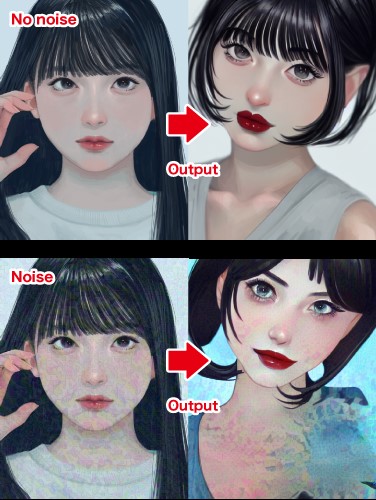
One major issue with AI “art” is that it is not creating an image in the way a human would. Generative AI is trained on images published on the web, and creates its “style” based on what it is fed. In other words, AI recombines already-existing images, meaning AI-generated images are a form of plagiarism. Many artists have taken steps to prevent their art from being fed into the generative AI plagiarism machine, such as AI disturbance filters designed to trip up the machine’s “learning.”
It is also important to note the negative effect generative AI has on the environment. The University of California found that generating 100 words takes around a liter of clean water to cool down the systems. This water is often syphoned from poor communities nearby the data centers.
To summarize, generative AI cannot create art the same way people can. It cannot express emotions it does not have, and it plagiarizes from human artists who post their work online. We should not let an unfeeling, water-chugging machine take humanity’s place in the creative world.